
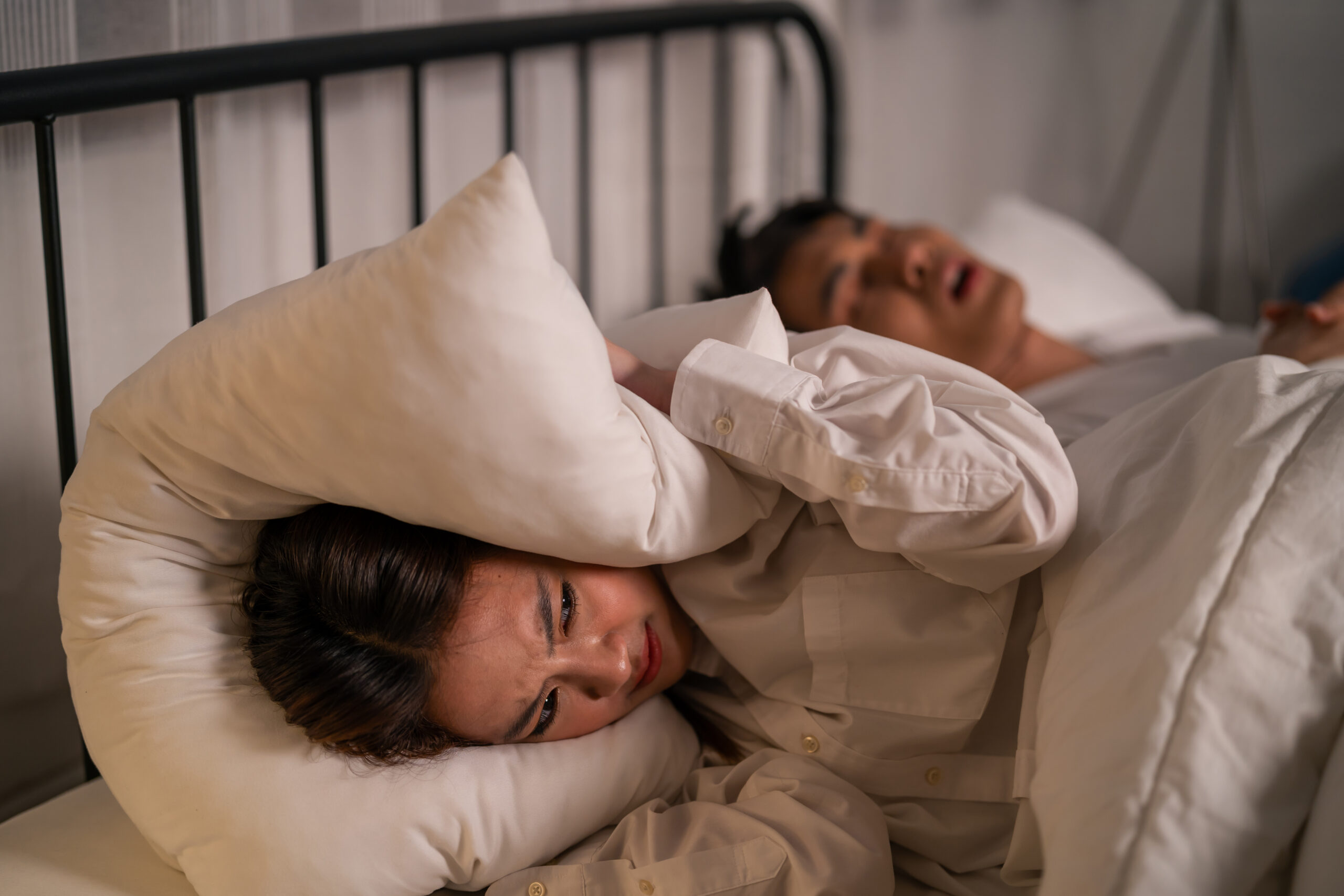
Research regarding the link between overbites and sleep apnoea is still ongoing, and the connection has not been extensively researched. That being said, we know that studies in children with sleep apnoea show very high overall malocclusion rates (nearly 90 % had malocclusions in one study), and specific occlusal traits like increased overbite/overjet are more common in OSA (obstructive sleep apnoea) cases versus controls.
As leading orthodontists in Canterbury, this isn’t surprising, as we know firsthand that your teeth and jaw impact much more than your smile.
If you have an overbite that you suspect is causing sleep apnoea, then the following article may help explain the connection, what signs to look for, and when to seek help.
What is an overbite?
An overbite or overjet is one of the most common malocclusions we see as Sydney orthodontists, occurring when the upper teeth overlap the bottom teeth. Most people have a slight overbite, and a small overlap is expected. However, when the teeth overlap by a significant margin, this is considered a more severe malocclusion and may impact your breathing and bite. Where this has occurred, your orthodontist will likely recommend corrective measures like braces or aligners.

What is sleep apnoea?
Sleep apnoea is a common sleep disorder in which your breathing repeatedly stops and starts while you are asleep. In the most common form, called obstructive sleep apnoea, the muscles at the back of your throat relax too much and partly or completely block your airway, causing short pauses in breathing throughout the night. These breathing interruptions, known as apnoeas, can happen many times each hour and often go unnoticed by the person sleeping. Frequent pauses in breathing can fragment sleep, reduce oxygen levels in the body, and lead to loud snoring, waking gasping for air, and significant daytime tiredness.
Does an overbite cause sleep apnoea?
An overbite or overjet may cause sleep apnoea. In fact, certain misalignments of your jaw may cause breathing problems, which subsequently causes a host of sleeping difficulties. There is a lot we don’t know about this connection, but we do know that some patients who have an overbite or overjet may have a smaller lower jaw (retrusive mandible) and this may be linked to breathing difficulties and may form part of a vicious cycle. Mouth breathing alters the way you use your facial muscles, which influences the growth of your jaw and teeth, which may cause overbites and overjets, which may ultimately lead to further breathing problems.
When the lower jaw sits further back relative to the upper teeth, as often happens with significant overbites, the space behind the tongue and soft tissues may become narrower, making it easier for the airway to collapse during sleep and harder for air to flow freely. This narrowing increases the risk of breathing interruptions. Additionally, abnormal facial and jaw shapes, like a retruded lower jaw and malocclusion, are recognised factors that may contribute to upper airway obstruction and sleep‑disordered breathing.
However, the sleep apnoea-overbite relationship is complex — not everyone with an overbite develops sleep apnoea, and many other risk factors (like fluid dynamics of soft tissues and overall anatomy) also play a role in whether breathing stops occur during sleep.

Signs your overbite might be causing sleep apnoea
Just because an overbite may cause sleep apnoea, doesn’t mean it will, and the only way to be sure is to contact your doctor and participate in a sleep study.
In general, however, you should look out for the following signs:
• Snoring that is loud or persistent: when the upper and lower jaws are misaligned, the airway may narrow, increasing the likelihood of snoring during sleep.
• Breathing disruptions during sleep: an overbite with a retruded lower jaw may reduce airway space, making pauses in breathing (apnoeas) more likely.
• Mouth breathing at night: people with a significant overbite often breathe through their mouth rather than their nose, which is a common feature in obstructive sleep apnoea.
• Daytime tiredness or fatigue: if breathing is repeatedly interrupted at night, you may wake unrefreshed and feel sleepy during the day.
• Gasping or choking sensations at night: narrowing of the airway because of jaw position may cause brief awakenings with gasping or difficulty breathing.
• Narrow dental arches or small jaw structure: these dental and skeletal features often accompany overbites and may be linked to increased risk of airway obstruction.
• Restless sleep or frequent awakenings: disrupted airflow from occlusal issues may fragment sleep without obvious awareness.
• Sleep‑related symptoms noticed by a partner: irregular breathing, snoring, or freezing breathing patterns are common signs of sleep apnoea potentially linked to jaw and bite structure.
How sleep apnoea is diagnosed
There are some common signs that may suggest a higher risk of obstructive sleep apnoea, including mouth breathing, snoring, restless sleep, or ongoing tiredness and exhaustion. At Ortho Co, we screen all our patients for possible signs of OSA and may use a sleep questionnaire to help assess whether someone appears to be at higher risk.
However, a sleep questionnaire is only a screening tool. A proper diagnosis of sleep apnoea can only be made through a sleep study.
If you are concerned about your symptoms, the usual next step is to make an appointment with your GP or medical doctor. They may ask about your sleep patterns, symptoms, medical history, and risk factors.
If your doctor believes a sleep study is needed, they can provide a referral to a sleep clinic or sleep specialist. This referral may then be used to arrange either a home-based sleep test or an in-lab sleep study in a dedicated sleep centre. In many cases, a referral is also required to access any relevant Medicare rebates or private health insurance benefits.
Once referred, the sleep clinic team will usually guide you through the booking process, explain how to prepare, and let you know what to expect during the test.
When to seek help
Obstructive sleep apnoea is a serious medical concern that may significantly impact your wellbeing. At Ortho Co, your health and comfort are our top priorities, which is why we go the extra mile to screen for sleep apnoea for all our patients.
If an overbite is causing your sleep apnoea, orthodontic treatment may be the answer. From your first appointment, our orthodontists in Ashfield or Canterbury will explain your options so you can choose the treatment that best fits your goals, lifestyle, and budget.
Book now to start your journey to a better smile and improved sleep.