
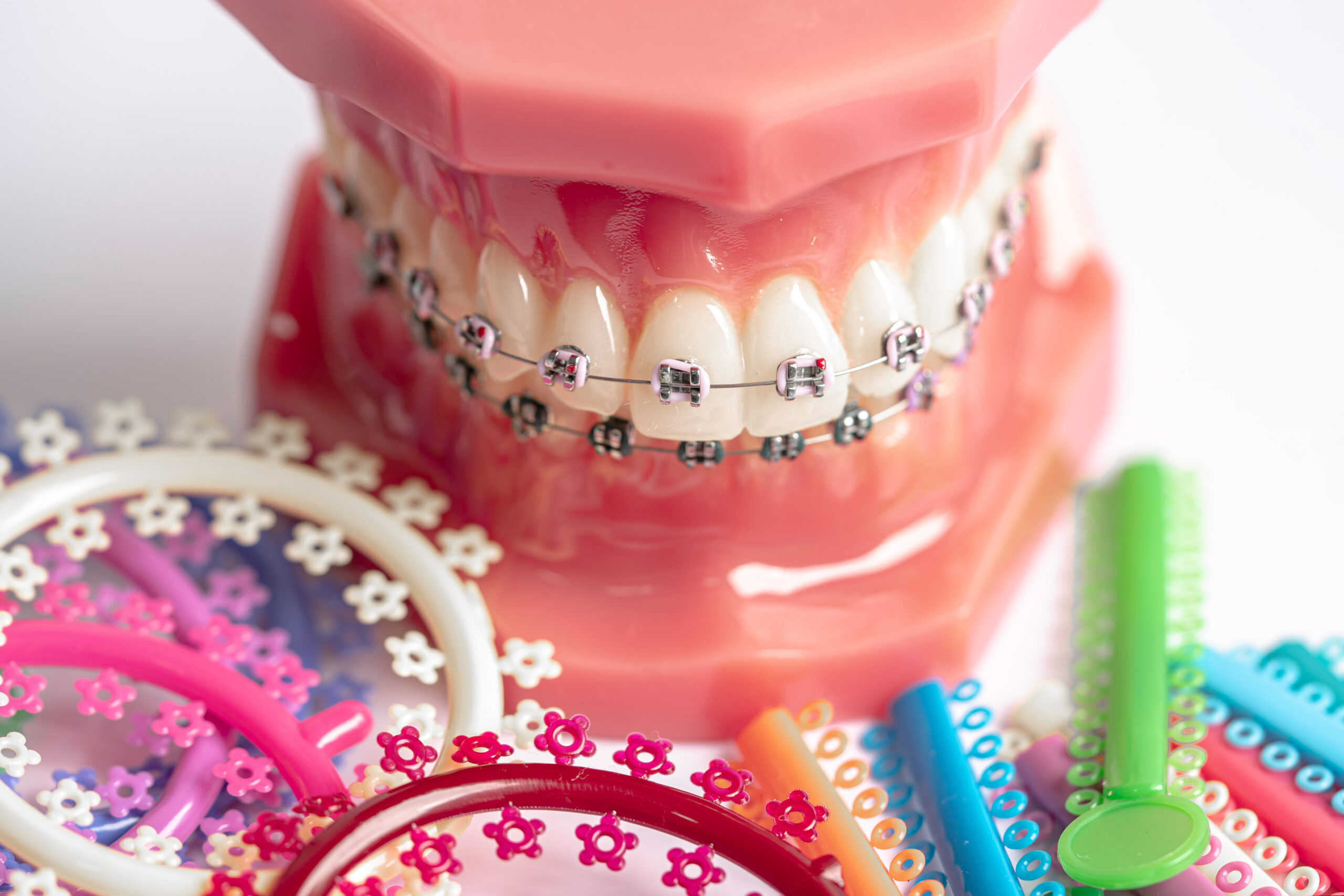
If you have ever considered braces, or have just had them fitted, one of the first questions on your mind is probably: how long do braces stay on for? Generally, orthodontic treatment with braces takes between 18 and 24 months. However, this range can be as short as 6 months for minor corrections, while more complex cases may take as long as 36 months.
The exact length of your braces treatment will come down to a handful of factors, including the severity of your bite or alignment issues, your age, the type of braces treatment you choose, and how closely you adhere to the instructions set out by your orthodontist.
Whether you’re searching for braces in Sydney, lingual braces in Sydney, clear braces in Sydney, or Invisalign in Sydney, each treatment has its own set of timeframe considerations.
In this Ortho Co. blog, we’ll walk you through the average braces treatment timeline for each type of braces, what factors influence how long you’ll wear braces, and the simple habits you can implement to help you finish your treatment sooner.
Average Time You Need to Wear Braces
Most Australians who undergo braces treatment will need to wear them for between 18 and 24 months, with the duration varying depending on individual needs. Here’s a quick breakdown of the typical timeframes you can expect.
- Minor Corrections: Small gaps and slight crowding may take between 6 and 12 months to resolve.
- Moderate Cases: Mild to moderate misalignment or bite issues may take between 12 and 18 months to resolve.
- Standard Cases: Which are the most common cases that take 18-24 months to resolve.
- Complex Cases: This includes severe crowding, significant bite correction, and jaw alignment problems. In these cases, this takes between 24 and 36+ months to resolve.
Keep these averages in mind, but your orthodontist will give you a more accurate estimate after assessing your teeth, jaw, and overall treatment goals. From there, several factors can shorten or extend your time in braces, which we will break down next.

Factors That Affect How Long Braces Stay On
No two smiles are the same, and no two treatment plans are either. Several factors influence how long you’ll need to wear braces. Some of these factors are within your control, others aren’t.
Here are the biggest ones you’ll need to be aware of:
1. The Severity of Your Condition
The more complex the problem, the longer the treatment takes. Minor cosmetic fixes, such as small gaps or slight crowding, can be sorted in under a year. On the other hand, significant bite issues such as an overbite, underbite, or crossbite, or severe crowding, will require about two years of treatment to ensure careful, gradual movement.
2. Age of the Patient
On average, children and teens finish treatment faster than adults. Younger jaws are still developing, which means teeth move more easily, and bone responds more quickly to pressure. Adult treatment isn’t much slower, but it may take a few extra months because the jawbone is fully set.
3. Type of Braces
Different orthodontic appliances move teeth at different speeds.
| Traditional Metal Braces | Reliable and effective for a variety of different cases |
| Ceramic Braces | Work similarly to metal braces but are less visible |
| Self-Ligating Braces | Can sometimes reduce treatment time slightly |
| Clear Aligners (e.g. Invisalign) | Best suited to mild-to-moderate cases and may be faster for simpler corrections |
Your orthodontist will recommend the option that balances your treatment goals, lifestyle, and timeline.
4. The Compliance of the Patient
This one is easy to overlook, but it makes a real difference. Wearing elastics as instructed, keeping appointments, avoiding hard or sticky foods that damage brackets, and maintaining excellent oral hygiene all keep treatment on track. Missed appointments and broken brackets are among the most common reasons treatment may take longer
5. Oral Health
Healthy teeth and gums move more predictably. Issues like gum disease, cavities, or bone loss may need to be addressed before or during treatment, which can extend the overall timeline.
Types of Braces and Their Treatment Time
The type of braces treatment you undertake will play a big role in how your treatment takes. Some appliances are built for speed and complex corrections, while others prioritise discretion or discomfort
Traditional Metal Braces
Average Treatment Time: 18 to 24 Months
They are the most common types of braces available in Australia. Metal braces use stainless steel brackets and wires to apply consistent pressure on the teeth. They’re considered to be effective for everything from mild crowding to severe bite issues, and they tend to be one of the more lauded choices for complex cases.
Ceramic Braces
Average Treatment Time: 18 to 24 months
Ceramic braces work similarly but use tooth-coloured or clear brackets, making them far less noticeable. Treatment time is similar to metal, though the brackets are slightly more delicate and may require extra care to avoid breakage, which can extend your treatment time if not properly cared for.
Self-Ligating Braces
Average Treatment Time: 15 to 22 months
Self-ligating braces (such as Damon braces) use a sliding mechanism instead of elastic ties to hold the wire in place. This can reduce friction, allow teeth to move more freely, and sometimes shorten treatment by a few months. They also typically require fewer adjustment appointments.
Lingual Braces
Average Treatment Time: 18 to 36 months
These are braces that are fitted to the back of your teeth. Lingual braces are virtually invisible from the front. They’re a great option for patients who want discretion, but treatment can take longer because of the placement’s complexity and the need for adjustments.
Clear Aligners (e.g. Invisalign)
Average Treatment Time: 6 to 18 months
Clear aligners are removable trays that gradually shift a patient’s teeth into place. They’re suited to mild-to-moderate cases and can be faster than traditional braces for simpler corrections. However, they rely heavily on the patient’s compliance; you need to wear them 20-22 hours a day for them to work effectively.
Quick Comparison Table of Braces Options
| Braces Type | Average Treatment Time | Best Used For |
| Metal Braces | 18-24 months | All cases, including those that are complex |
| Ceramic Braces | 18-24 months | Patients who are searching for a discreet treatment option |
| Self-Ligating Braces | 15-22 months | Faster treatment option with fewer visits required |
| Lingual Braces | 18-36 months | Searching for the a discreet option |
| Clear Aligners | 6-18 months | Patients who are facing only mild to moderate cases |
Tips to Speed Up Your Placement Treatment
While there is no magic shortcut when it comes to your treatment, there are a number of habits you can implement to help avoid setbacks and finish your treatment as quickly as possible.
- Wear your elastics exactly as instructed – skipping or inconsistent wear is one of the most common reasons treatment drags on.
- Try to make all adjustment appointments – each visit moves your teeth one step closer to the finish line.
- Avoid hard, sticky, and chewy foods – broken brackets and bent wires mean extra appointments and lost progress.
- Brush and floss thoroughly – gum inflammation and decay can pause treatment until your oral health is back on track.
- Try your best to avoid fiddling with your braces – pushing or pulling on brackets, and wires can shift them out of position.
- Wear aligners 20-22 hours a day – if you are wearing clear aligners, anything less and your teeth won’t track properly.
- Avoid ignoring issues – a loose bracket or poking wire is a quick fix if caught early, but a bigger problem if it is ignored.
Communicate with your orthodontist – if something feels off, call. Small problems caught early save weeks down the track.

What Happens After Your Braces Come Off?
While you will have come a long way, getting your braces off does not signal the end of your orthodontic journey. The period right after removal is just as important as the treatment itself to keeping your new smile in place.
Here’s what you can expect:
1. Braces Removal
The removal itself is quick and painless. Your clinician will gently remove the brackets off, clean away any leftover adhesive and give your teeth a fresh polish. Most patients are in and out of the chair in under an hour.
2. A Thorough Clean and Polish
After months (or years) of brushing around brackets, your teeth will get a professional clean. This cleaning will remove any plaque buildup, erase surface stains, and clear any residual bonding glue. Your teeth will feel smooth and ready to show off.
3. Scans or Impressions for Retainers
Your clinician will take a digital scan or impression of your new teeth. This is used to create a custom-fitted retainer. This is an essential next step that holds your teeth in their new position while the surrounding bone and tissue stabilise.
4. Wearing Your Retainer
Teeth have a natural tendency to shift back toward their original position, especially in the first few months after braces come off. To prevent this, you’ll need to wear a retainer.
- Every Night: For the first two years every nightfew months (usually 3–6 months, day and night except when eating or brushing)
- 1-2 nights a week: Thereafter, often for life, to maintain results long-term
There are two main types of retainers: removable and fixed. Your orthodontist will recommend the most appropriate option for your particular circumstances.
5. Follow-Up Appointments
You’ll have a few follow-up visits after your braces come off to check that your teeth are holding their position and your retainer still fits well. After that, occasional check-ins are usually all that’s required.
6. Adjusting to Your Life Without Braces
Expect your teeth to feel smoother and also a little odd at first. Many braces patients describe a post-treatment feeling like their teeth are “slippery”. You might also notice slight sensitivity for a few days, but this settles quickly. Then it’s just time to enjoy your new smile.
Overall, the work you put into wearing your retainer is what protects the time, money, and effort you invested in braces. Consistent retainer wear is the single biggest factor in keeping your results long-term.
Can Braces Be Removed Early?
Sometimes, but only if your orthodontist agrees that your teeth are ready, removing braces too soon can have a number of side effects.
When Early Removal Might Be Possible
- Your teeth have responded faster than expected to treatment
- Your case was less complex than initially predicted
- You’ve been exceptionally compliant with elastics, hygiene, and appointments
- The original treatment goals have been fully achieved
When Early Removal Isn’t a Good Idea
- Teeth shifting back to their original position (relapse)
- An unfinished bite, which can lead to jaw pain, uneven wear, or chewing issues down the track
- Aesthetic compromises, such as removing braces early, may make teeth look straight while not being properly aligned underneath.
- Needing braces again later to fix what wasn’t completed the first time
The goal of orthodontic treatment isn’t just to have straight teeth; it’s to attain a healthy, functional bite that can last a lifetime. A few extra months now is a small price for results that can hold up for decades.
Braces Treatment at Ortho Co.

The first step to figuring out what the right treatment is between braces and aligners is to come see one of our specialist Orthodontists at Ortho Co.
We can walk you through your options and help you figure out the right treatment plan.
As experienced Burwood orthodontists, we understand that fixing your teeth isn’t just about looks; it can also improve your speech, jaw pain, chewing, and overall dental health.
If you’ve been putting off taking the next step in your orthodontic journey, now is the perfect time to take that first step toward braces in Sydney.
Call and book an appointment today. Whether you’re in Parramatta, Canterbury, or wider Sydney, we can help you.