{
"@context": "https://schema.org",
"@type": "FAQPage",
"mainEntity": [
{
"@type": "Question",
"name": "How much do lingual braces cost?",
"acceptedAnswer": {
"@type": "Answer",
"text": "This depends on your unique situation, and the complexity of your treatment plan. Overall, lingual braces are often more expensive than traditional braces, due to a completely custom design and the specialised requirements for the orthodontic procedure.\n\nFull Treatment for 18 to 24 months : $9,500 – $15,000\nSingle Arch : Starting at $7,500\nLimited Treatment : Under $9,500\nComplex / Extended Treatment : May exceed $15,000\n\nKeep in mind that this is a rough price range, chat with our helpful team and we can provide a full assessment and personal quote."
}
},
{
"@type": "Question",
"name": "Are lingual braces more expensive?",
"acceptedAnswer": {
"@type": "Answer",
"text": "Yes, generally speaking, lingual braces tend to cost more than traditional braces or clear aligners. In Australia, lingual braces are the highest-cost orthodontic option, ranging from $9,000 to $17,000. The added cost comes from their custom design (each bracket is tailored and placed on the rear of your teeth), the specialist skills required to install and adjust them, and sometimes longer or more complex adjustments."
}
},
{
"@type": "Question",
"name": "Are lingual braces covered by healthcare/insurance?",
"acceptedAnswer": {
"@type": "Answer",
"text": "Certain private health insurance plans may provide partial coverage for lingual braces, particularly if you have orthodontic benefits included. You should always check with your insurer, as the amount of coverage will vary based on your specific policy.\n\nAt Ortho Co, we offer flexible payment plans options to assist you on your smile journey. You can talk to our team to discuss what options are available to you. You can also check out our payment plan page for more information."
}
},
{
"@type": "Question",
"name": "Are lingual braces better than normal braces?",
"acceptedAnswer": {
"@type": "Answer",
"text": "“Better” depends on your priorities. Lingual braces offer a major aesthetic advantage. Because they’re hidden behind your teeth, they’re virtually invisible from the front. In terms of performance, they can be just as effective as traditional braces for many cases, including complex issues.\n\nOn the flip side, they may be less comfortable initially (your tongue has to adjust), cleaning can be trickier, and the cost is higher. If you prioritise discretion and are committed to the care required, lingual braces may be “better” for you — but if cost, comfort, and ease of maintenance matter more, traditional braces might be the better fit."
}
},
{
"@type": "Question",
"name": "Are lingual braces better than Invisalign?",
"acceptedAnswer": {
"@type": "Answer",
"text": "This depends on your situation. Because lingual braces are hidden behind the teeth, they can be even less visible than clear aligners. They also provide a fixed solution (you can’t remove them), which can help with compliance. On the other hand, Invisalign has advantages in comfort, ease of cleaning (you remove the trays), and your speech may be less affected. For more mild to moderate alignment issues, Invisalign may be easier to live with. For more complex bite or root movements, lingual braces may have the edge."
}
},
{
"@type": "Question",
"name": "Do lingual braces give you a lisp?",
"acceptedAnswer": {
"@type": "Answer",
"text": "They can, yes — especially in the early days. Because the brackets and wires sit on the tongue-side of your teeth, your tongue has less space and may take time to adjust. Many clinicians report that patients may experience a temporary lisp or speech change for a few days to a couple of weeks. The good news is that speech typically normalises as you get used to the feeling."
}
},
{
"@type": "Question",
"name": "Are lingual braces uncomfortable or painful?",
"acceptedAnswer": {
"@type": "Answer",
"text": "Like most orthodontic treatments, there is an adjustment period where you’ll experience some discomfort, soreness or tongue irritation. Because the appliances are behind the teeth, your tongue may rub on brackets or wires more than with front braces. However, most people find that after the first one to two weeks, the discomfort settles and becomes manageable. Good oral hygiene, and orthodontic wax can make the transition easier."
}
},
{
"@type": "Question",
"name": "How many times do I visit the dentist during treatment?",
"acceptedAnswer": {
"@type": "Answer",
"text": "When you have fixed braces (traditional or lingual), you’ll normally see your orthodontist for adjustments every 4 to 8 weeks. The exact frequency varies depending on how your teeth are responding and the complexity of your case. Some more complex cases (including certain lingual braces) may require slightly more frequent check-ups. After active treatment, retention visits happen less often (every 6-12 months) to monitor the results."
}
},
{
"@type": "Question",
"name": "What foods to avoid after getting lingual braces?",
"acceptedAnswer": {
"@type": "Answer",
"text": "You’ll want to avoid: hard or crunchy foods (nuts, popcorn, hard crusts), sticky/sugary foods (caramel, lollies), chewy candies, and biting directly into whole crunchy fruit/veggies without cutting them up. For lingual braces you should especially avoid anything that might push into the bracket or trap food behind your teeth. Soft diets are helpful during the first few days post-placement. Over time you can resume more varied foods as long as you clean thoroughly after."
}
},
{
"@type": "Question",
"name": "How long does treatment take?",
"acceptedAnswer": {
"@type": "Answer",
"text": "Lingual braces generally can take between 18-24 months to complete treatment, but may change from case to case.\n\nIn some circumstances, patients may require more time to see the desired results, and some may see results sooner than expected. Our specialist orthodontists will provide you with more precise estimates during your assessment and consultation."
}
}
]
}
Skip to content
Lingual braces combine a 3D treatment plan used to create an extremely accurate and customised orthodontic experience. They are a comprehensive set of 1 or 2 wires, where all movement is integrated from the beginning and programmed to guide the teeth. This differs from traditional lingual braces, whereby the wires need constant adjustments as they are not pre-programmed.
Our specialist orthodontists will plan every stage of your treatment including:
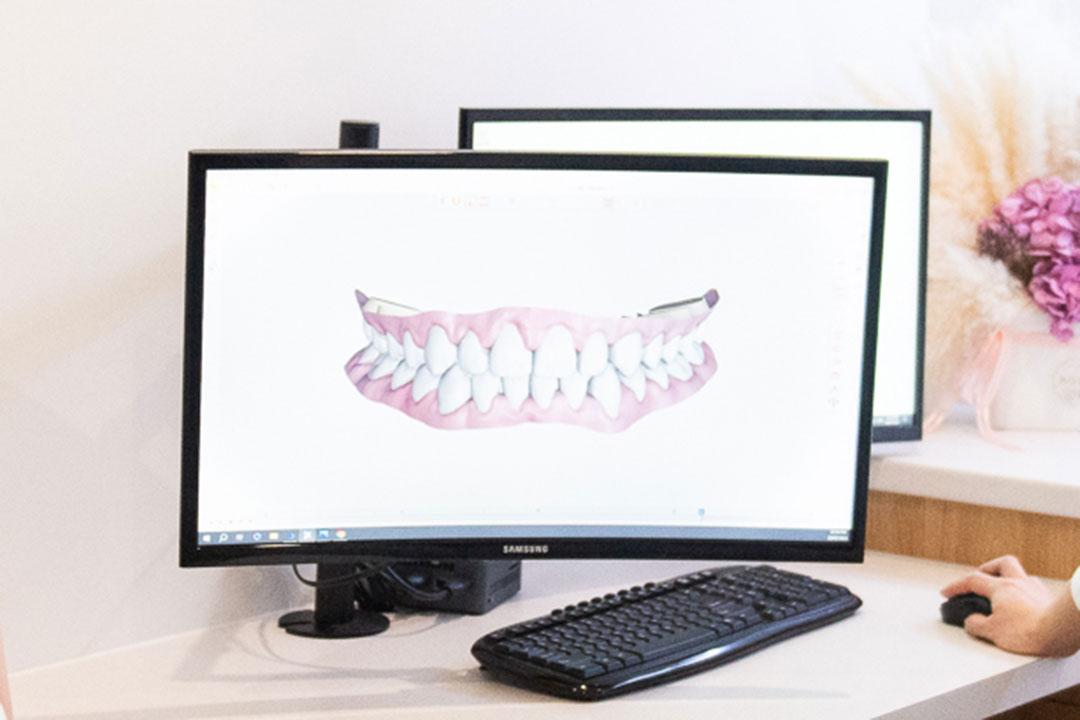
Uses 3D imaging to suit your individual needs
Custom modifications to ensure correct tooth alignment
For an accurate and comfortable fit, custom lingual braces are crafted to fit each individual tooth shape. This type of brace is produced for a consistent and effective solution using digital imaging.
Each bracket is made specifically for each tooth
Offers a very snug and comfortable fit with successful outcomes
Perfect for those seeking a more personalised & custom dental treatment.
This type of lingual brace uses a fairly unique clip system that holds an arch wire in place, eliminating the need for elastic ties. This also includes:
Making adjustments more comfortable with a gentle pressure
Requires less appointments due to fewer changes needed
While lingual braces are a great hidden solution, we don’t recommend them for all patients.
Lingual braces might be right for you if:
You’re an adult or teen who’s keen for a discreet solution and a brace behind the teeth is viable for you.
You have healthy teeth and gums
You’re dealing with moderate to complex alignment issues (crowding, gaps, rotations or bite issues) but still want something “hidden” rather than front‑facing braces.
You want a quick solution for teeth-straightening (upcoming events or weddings).
You work in television, on camera, or where presentation is necessary.
On the other hand, you might need to consider traditional teeth straightening options if:
Your teeth are very small or you have limited space on the back surfaces.
You have severe bite issues or jaw‑alignment challenges.
You want the simplest cleaning and maintenance route
You have very short crowns
You’re a child/young adult without all adult teeth
For instance, those who have a very deep overbite, we wouldn’t suggest this type of treatment plan as the brackets that are mounted behind the teeth might fall out due to strong overbite and biting pressures.
Our team of experienced lingual braces orthodontists will complete a full examination to assess if this type of treatment is the best course of action for your dental concerns. Our Parramatta Orthodontists and Canterbury Orthodontists will discuss the pros and cons of lingual braces, and offer a treatment plan tailored to you.
Bachelor of Oral Health (Distinction) and BSc (USyd)
Abi
Orthodontic Nurse
Leya
Orthodontic Nurse
Kristina
Orthodontic Nurse
Jacinta
Receptionist
Jamie
Treatment Coordinator
Michelle
Receptionist & Orthodontic Nurse
Angel
Admin Support
Our Team
Shadi
Bachelor of Oral Health (Distinction) and BSc (USyd)
Abi
Orthodontic Nurse
Leya
Orthodontic Nurse
Kristina
Orthodontic Nurse
Jacinta
Receptionist
Jamie
Treatment Coordinator
Michelle
Receptionist & Orthodontic Nurse
Angel
Admin Support
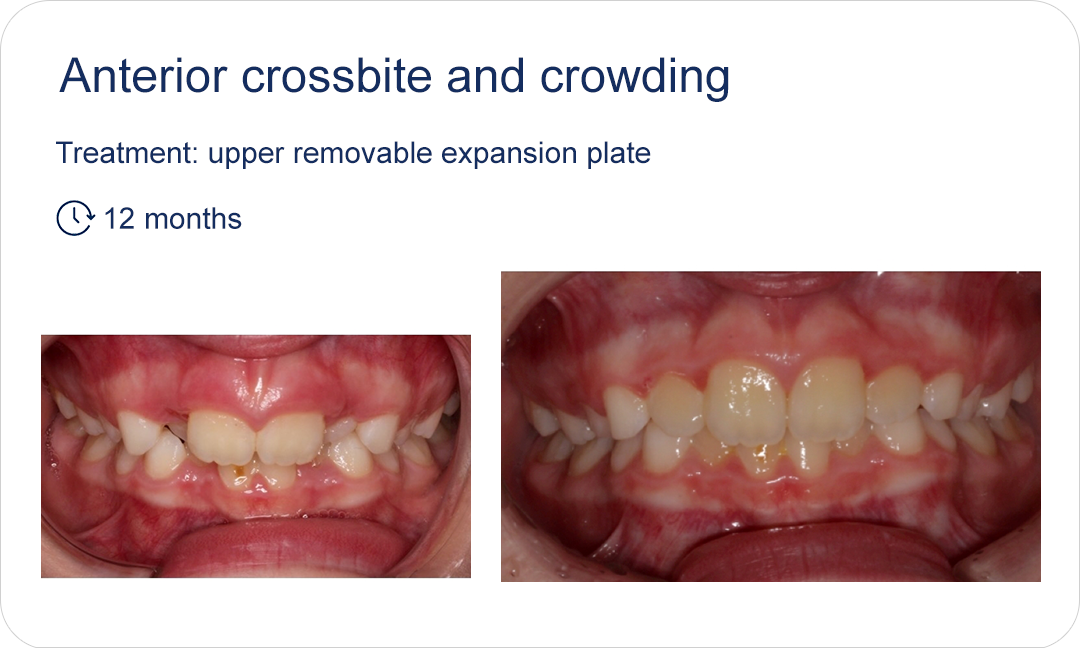
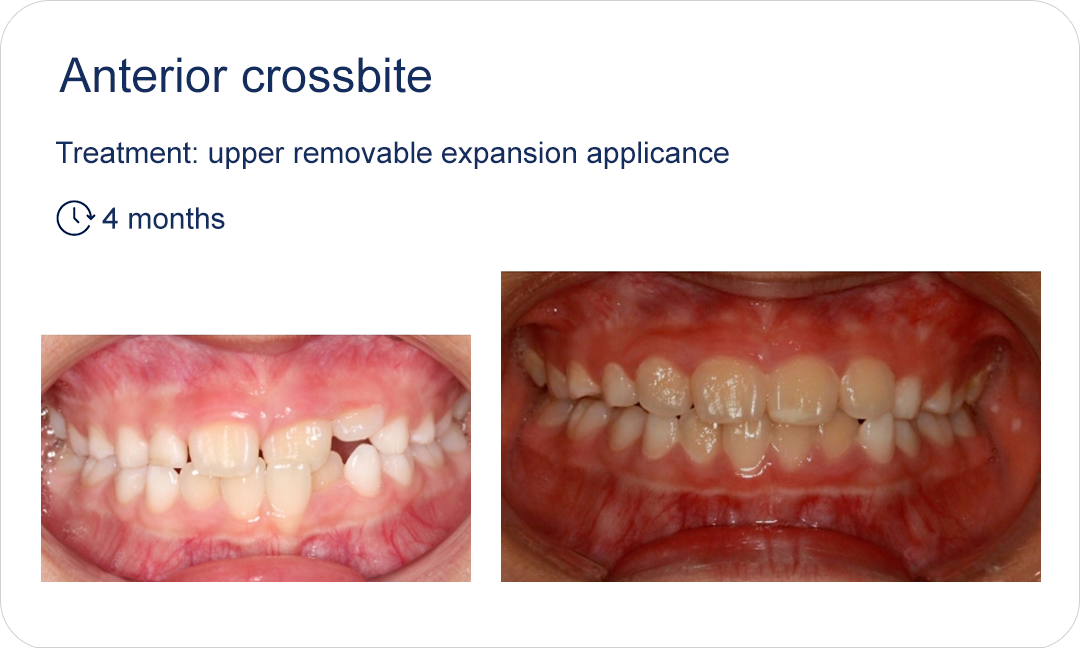
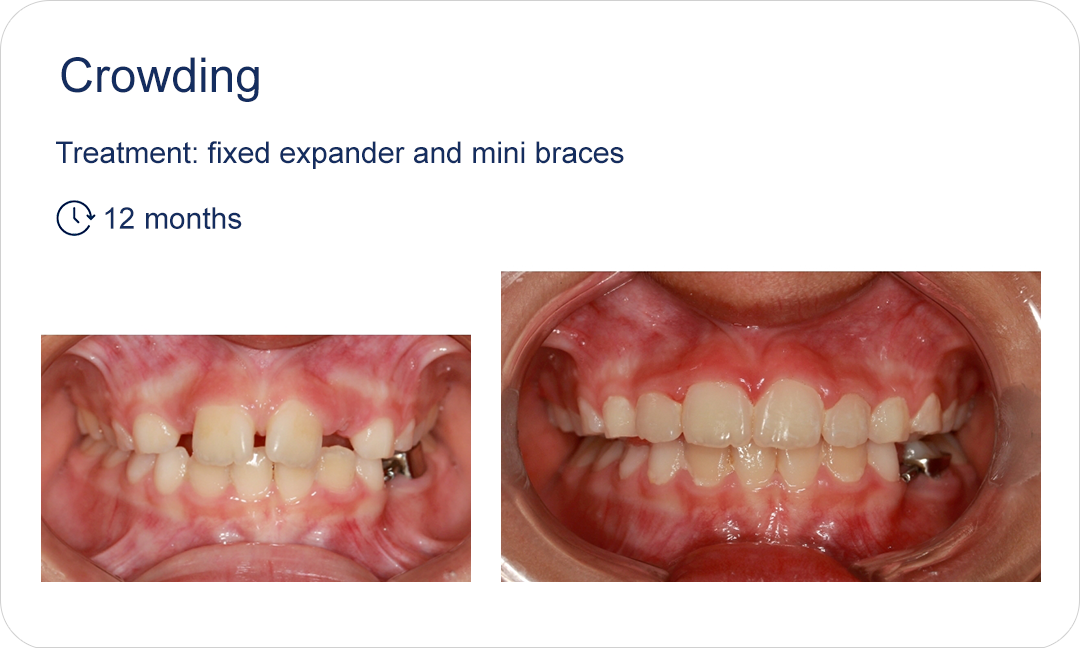
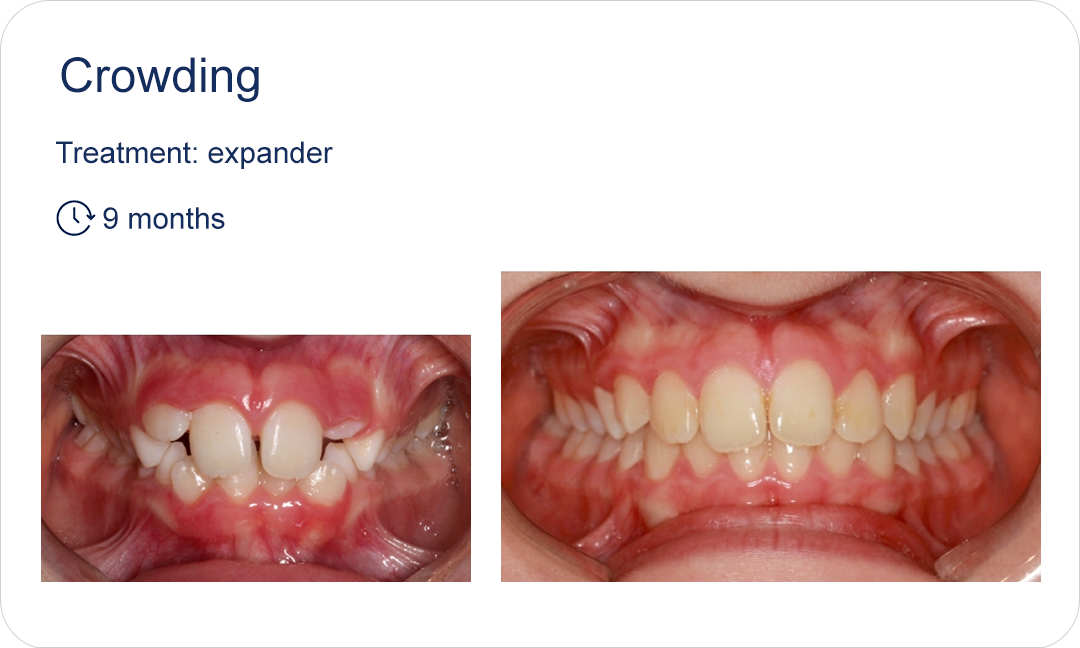
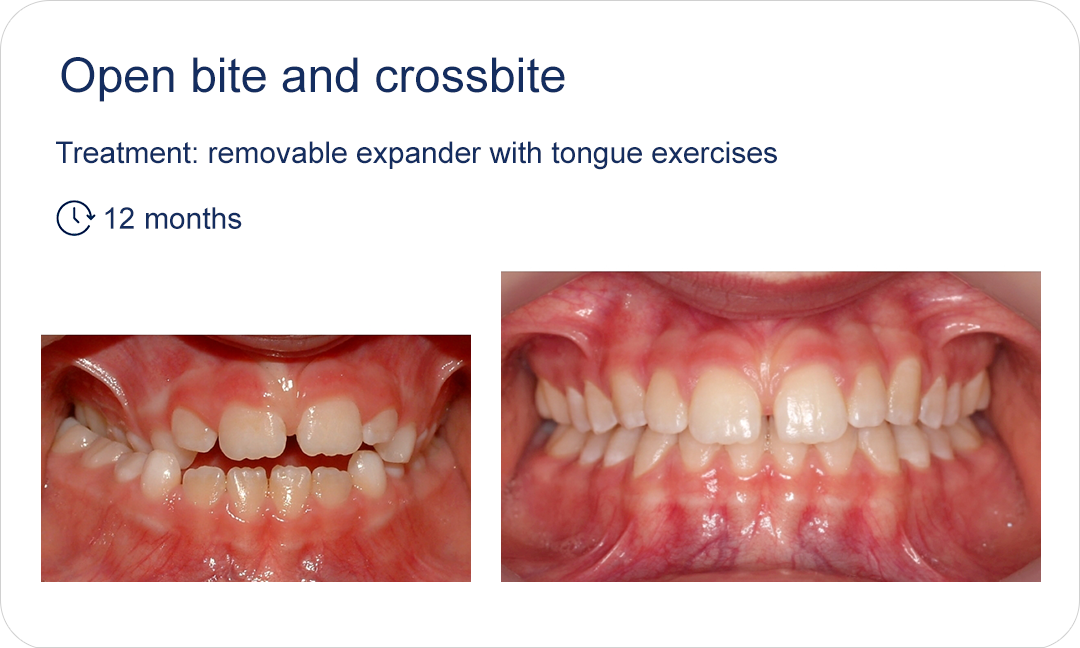
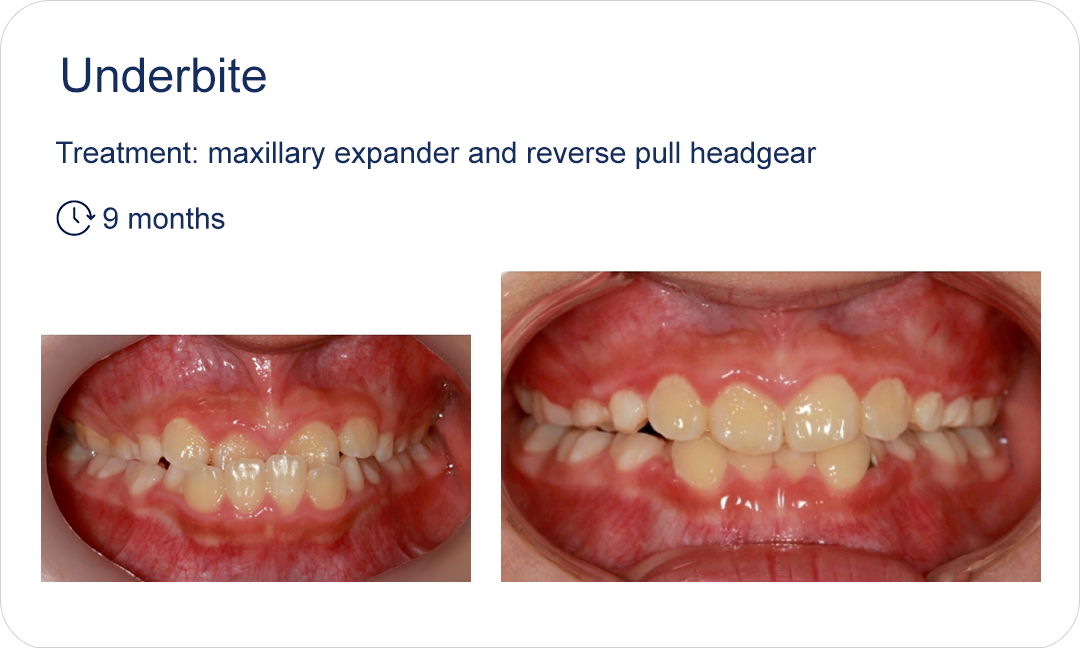
Our Results
Don’t just take our word for it – see our before and after orthodontic transformations
*These photos are of actual Ortho Co patients, shown with consent. Individual clinical conditions influence treatment outcomes, and results will differ between patients
Our orthodontist canterbury memberships and partners
got any question?
How much do lingual braces cost?
This depends on your unique situation, and the complexity of your treatment plan. Overall, lingual braces are often more expensive than traditional braces in Sydney, due to a completely custom design and the specialised requirements for the orthodontic procedure.
Treatment Type
Price Range
Full Treatment for 18 to 24 months
$9,500 – $15,000
Single Arch
Starting at $7,500
Limited Treatment
Under $9,500
Complex / Extended Treatment
May exceed $15,000
Keep in mind that this is a rough price range, chat with our helpful team and we can provide a full assessment and personal quote.
Are lingual braces more expensive?
Yes, generally speaking, lingual braces tend to cost more than traditional braces or clear aligners. In Australia, lingual braces are the highest‑cost orthodontic option, ranging from $9,000 to $17,000. The added cost comes from their custom design (each bracket is tailored and placed on the rear of your teeth), the specialist skills required to install and adjust them, and sometimes longer or more complex adjustments.
Are lingual braces covered by healthcare/insurance?
Certain private health insurance plans may provide partial coverage for lingual braces, particularly if you have orthodontic benefits included. You should always check with your insurer, as the amount of coverage will vary based on your specific policy.
At Ortho Co, we offer flexible payment plans options to assist you on your smile journey. You can talk to our team to discuss what options are available to you. You can also check out our payment plan page for more information.
Are lingual braces better than normal braces?
“Better” depends on your priorities. Lingual braces offer a major aesthetic advantage. Because they’re hidden behind your teeth, they’re virtually invisible from the front. In terms of performance, they can be just as effective as traditional braces for many cases, including complex issues.
On the flip side, they may be less comfortable initially (your tongue has to adjust), cleaning can be trickier, and the cost is higher. If you prioritise discretion and are committed to the care required, lingual braces may be “better” for you — but if cost, comfort, and ease of maintenance matter more, traditional braces might be the better fit.
If you want to know if Lingual Braces are the better option for you, explore our blog where we dive into what are Lingual Braces and what sets them apart.
Are lingual braces better than Invisalign?
This depends on your situation. Because lingual braces are hidden behind the teeth, they can be even less visible than clear aligners. They also provide a fixed solution (you can’t remove them), which can help with compliance. On the other hand, Invisalign has advantages in comfort, ease of cleaning (you remove the trays), and your speech may be less affected. For more mild to moderate alignment issues, Invisalign may be easier to live with. For more complex bite or root movements, lingual braces may have the edge.
Do lingual braces give you a lisp?
They can, yes — especially in the early days. Because the brackets and wires sit on the tongue‑side of your teeth, your tongue has less space and may take time to adjust. Many clinicians report that patients may experience a temporary lisp or speech change for a few days to a couple of weeks. The good news is that speech typically normalises as you get used to the feeling.
Are lingual braces uncomfortable or painful?
Like most orthodontic treatments, there is an adjustment period where you’ll experience some discomfort, soreness or tongue irritation. Because the appliances are behind the teeth, your tongue may rub on brackets or wires more than with front braces. However, most people find that after the first one to two weeks, the discomfort settles and becomes manageable. Good oral hygiene, and orthodontic wax can make the transition easier.
How many times do I visit the dentist during treatment?
When you have fixed braces (traditional or lingual), you’ll normally see your orthodontist for adjustments every 4 to 8 weeks. The exact frequency varies depending on how your teeth are responding and the complexity of your case. Some more complex cases (including certain lingual braces) may require slightly more frequent check‑ups. After active treatment, retention visits happen less often (every 6‑12 months) to monitor the results.
What foods to avoid after getting lingual braces?
You’ll want to avoid: hard or crunchy foods (nuts, popcorn, hard crusts), sticky/sugary foods (caramel, lollies), chewy candies, and biting directly into whole crunchy fruit/veggies without cutting them up. For lingual braces you should especially avoid anything that might push into the bracket or trap food behind your teeth. Soft diets are helpful during the first few days post‑placement. Over time you can resume more varied foods as long as you clean thoroughly after.
How long does treatment take?
Lingual braces generally can take between 09-15 months to complete treatment, but may change from case to case.
In some circumstances, patients may require more time to see the desired results, and some may see results sooner than expected. Our specialist orthodontists will provide you with more precise estimates during your assessment and consultation.
Are lingual braces more expensive?
Yes, generally speaking, lingual braces tend to cost more than traditional braces or clear aligners. In Australia, lingual braces are the highest‑cost orthodontic option, ranging from $9,000 to $18,000. There are several reasons for the added cost of lingual braces, most dominantly the specialist skills required to install and adjust them. They are also custom-made to each individual tooth, with each bracket tailored to their size and shape. Lingual braces inquire higher laboratory costs, with their design and tech inducing more complex processes.
However, it’s worth noting that the final cost of your lingual braces treatment covers every aspect of our services. This includes all adjustment appointments, the braces themselves, repairs, care appointments, retainers, and the following 2 years of care we provide.