

Can teeth shift? The short answer is yes.
Teeth moving can sound scary, especially if you’ve put a lot of time, money, and effort into getting your teeth right where you want them.
While your teeth might be on the move because you’re not wearing your retainer diligently enough, there are a number of other explanations, including teeth grinding and gum disease.
For some people, gradual teeth movement won’t be a problem, and many people won’t even notice. For others, the changes can be more dramatic, and even cause dental issues.
If you suspect your teeth are moving, and want to get ahead of the issue, Ortho Co. can help. Whether you’re looking for braces in Sydney, or clear aligners, at Ortho Co, we make orthodontic care easier on everyone.
With flexible payment plans, the latest technology, and a friendly team who genuinely cares, we’re here to support you every step of the way.
As a leading Sydney orthodontist, we can help you with braces if needed, but also with diagnosis, and preventative treatments.
Whether you’re dealing with unexplained bottom front teeth shifting, upper front teeth moving forward, or teeth moving after braces, Ortho Co. can help.
In this article, let’s take a look at why teeth shift over time, what to look out for, and when to come see us here at Ortho Co.
Why do teeth shift over time?
Teeth shifting is very common, and usually occurs in the late teens, or in early adulthood, although teeth shifting with age is not unusual.
Because of this timing, most people assume this is related to the wisdom teeth coming in, and causing the surrounding teeth to move to accommodate.
However, up to a quarter of people are missing their wisdom teeth from birth, and studies show that this doesn’t have any impact on the likelihood of teeth crowding in adolescence.
A common culprit is bottom teeth shifting after braces. If your teeth moved after braces, then this may be a sign that you weren’t wearing your retainer as directed.
Retainers can move teeth slightly back after the fact, but they work best at holding teeth in place, so try to wear them exactly as you’ve been instructed by your orthodontist.
Here are some other causes of teeth shifting :
- Natural aging and jaw changes : As we age, our jaw shape can subtly change, which may affect adult teeth moving.
- Tooth loss and gaps : Shifted teeth after extraction isn’t unusual, and when a tooth is lost and not replaced, nearby teeth can drift into the empty space.
- Failing to wear a retainer after braces : Teeth shifting after braces is often managed by regular retainer use. After orthodontic treatment, teeth tend to shift back toward their original positions if a retainer isn’t worn as directed.
- Teeth grinding or clenching : Habitual grinding puts pressure on your teeth and jaw, which can slowly push teeth out of alignment.
- Gum disease and bone loss : Conditions like periodontitis can weaken the structures that hold your teeth in place, making them more likely to move.
- Everyday wear and tear : The way you use your teeth has a long-term impact. The way you chew and bite can gradually cause your teeth to move.
Common signs that your teeth are shifting
Your teeth won’t move dramatically overnight, which can make changes difficult to spot.
Teeth shifting is often extremely gradual, but here are some signs to watch out for :
- New gaps forming between your teeth : Spaces you didn’t have before can appear as teeth move apart.
- Teeth starting to feel crowded or overlapping : If your teeth start to overlap or twist slightly, especially in the front, it could mean they’re shifting out of alignment.
- Changes in your bite : If your teeth no longer meet the way they used to when you close your mouth, this is a strong sign that your bite is changing due to movement.
- Difficulty flossing between teeth : When teeth shift closer together, it can suddenly feel tight or painful to floss where it used to be easy.
- Your retainer feels tight or no longer fits : A retainer that doesn’t sit properly anymore is a clue that your teeth have moved since your orthodontic treatment.
- Feeling pressure or discomfort when chewing : Teeth moving pain might mean new tension points in your bite, leading to soreness or uneven pressure when eating.
- Teeth that feel loose or wobbly : This can be a sign of movement caused by gum issues, tooth grinding, or bone loss around the teeth.
- More food getting stuck between your teeth : If you suddenly notice food catching in new places, it might be due to small gaps or changes in alignment.
- Noticing changes in photos over time : Looking back at older photos of your smile can sometimes show gradual movement you didn’t notice day to day.
Treatment options for shifted teeth
The good news is that even if your teeth have moved, there are a number of solutions.
In mild cases, a modified retainer can move teeth back, but there are other options.
Your orthodontist will be able to advise you on which solution is right for you based on your dental history, your preferences, and the degree to which your teeth have shifted, but here’s a quick run-down of the most common fixes for shifting teeth:
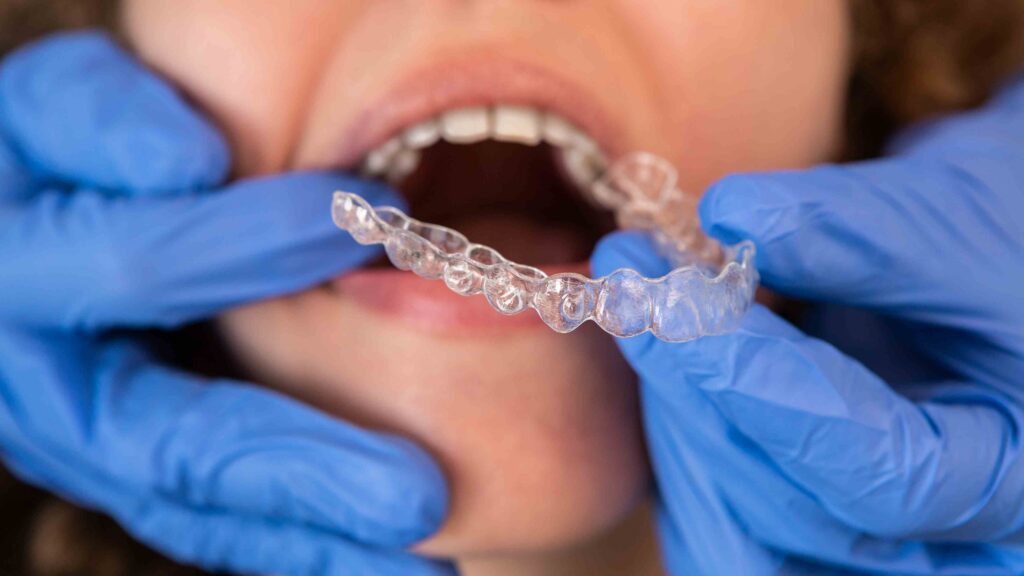
– Clear aligners (e.g. Invisalign)
Clear aligners are custom-made trays that fit snugly over your teeth and gently move them into a better position over time.
They’re nearly invisible, so most people won’t even notice you’re wearing them.
You can take them out to eat, brush, or floss, which makes them a convenient option, especially for adults or teens.
– Braces
Traditional braces are a tried-and-true method for fixing teeth that have shifted significantly.
Braces move teeth by using small brackets and wires to slowly shift teeth into the right spot.
While they’re more visible than aligners, today’s braces are smaller, more comfortable, and come in different styles (including clear and lingual braces options).

– Retainers or night guards
Teeth that have shifted after braces are normally a sign that you haven’t been diligent with the use of your retainer.
If you’re wondering how to fix shifted teeth after braces, regular retainer use is usually the best way.
If you’ve never had braces, and your teeth have only moved a little, a new retainer might be enough to hold them in place or gently bring them back into line.
Additionally, if you grind or clench your teeth at night (a condition called bruxism), a night guard can help protect your teeth and prevent pressure that causes movement.
– Dental restorations or implants
Sometimes teeth shift because of gaps left by missing teeth.
If this is the case, your dentist may recommend a solution like a dental implant (a long-term replacement for a missing tooth), a bridge, or a crown.
These options fill the space and help keep your remaining teeth in the right position, while also restoring your bite and smile.
When to see a dentist or orthodontist
The best solution is prevention, which happens through keeping your regular appointment with your dentist.
A number of dental problems can be resolved before they even start with good dental hygiene, and a professional eye.
You should also look out for some of the signs we’ve mentioned above—changing gaps, unexpected pressure, or teeth that feel wobbly.
You’re the only person who knows how your mouth and teeth are supposed to feel, which means you’re the best judge of if something isn’t right.
If you suspect there have been changes to your bite or where your teeth are positioned, then it’s best to see an orthodontist right away.
The first step to figuring out the right treatment is to come see one of our specialist orthodontists at Ortho Co.
We can walk you through your options, explain what might be causing your teeth shifting, and help you figure out the right treatment plan.
As experienced Parramatta orthodontists, we understand that fixing your teeth isn’t just about looks—it can also improve your speech, jaw pain, chewing, and overall dental health.
Whether you’re in Parramatta, Canterbury, or wider Sydney, we can help you.
Call and book an appointment today.