
MARPE has become a popular topic, particularly on social media and online forums focusing on breathing, tongue posture, facial development and smile width. More patients are coming in wondering what MARPE is and how it works.
Book your Consultation
MARPE is a specialised dental procedure, and it's not always the right treatment for every patient wanting a wider smile, more tongue space or improved nasal breathing. That's because a skeletally narrow upper jaw isn't always the cause of a narrow-looking smile or tapered dental arch.
At Ortho Co., our specialist orthodontists assess the teeth, dental arches, jaw relationships, facial proportions, bite and relevant breathing or sleep symptoms before recommending an expansion procedure. The first question is not simply, “Is MARPE surgery worth it?”
The more important question is: What is causing your orthodontic concern, and which treatment is most appropriate for your individual diagnosis?
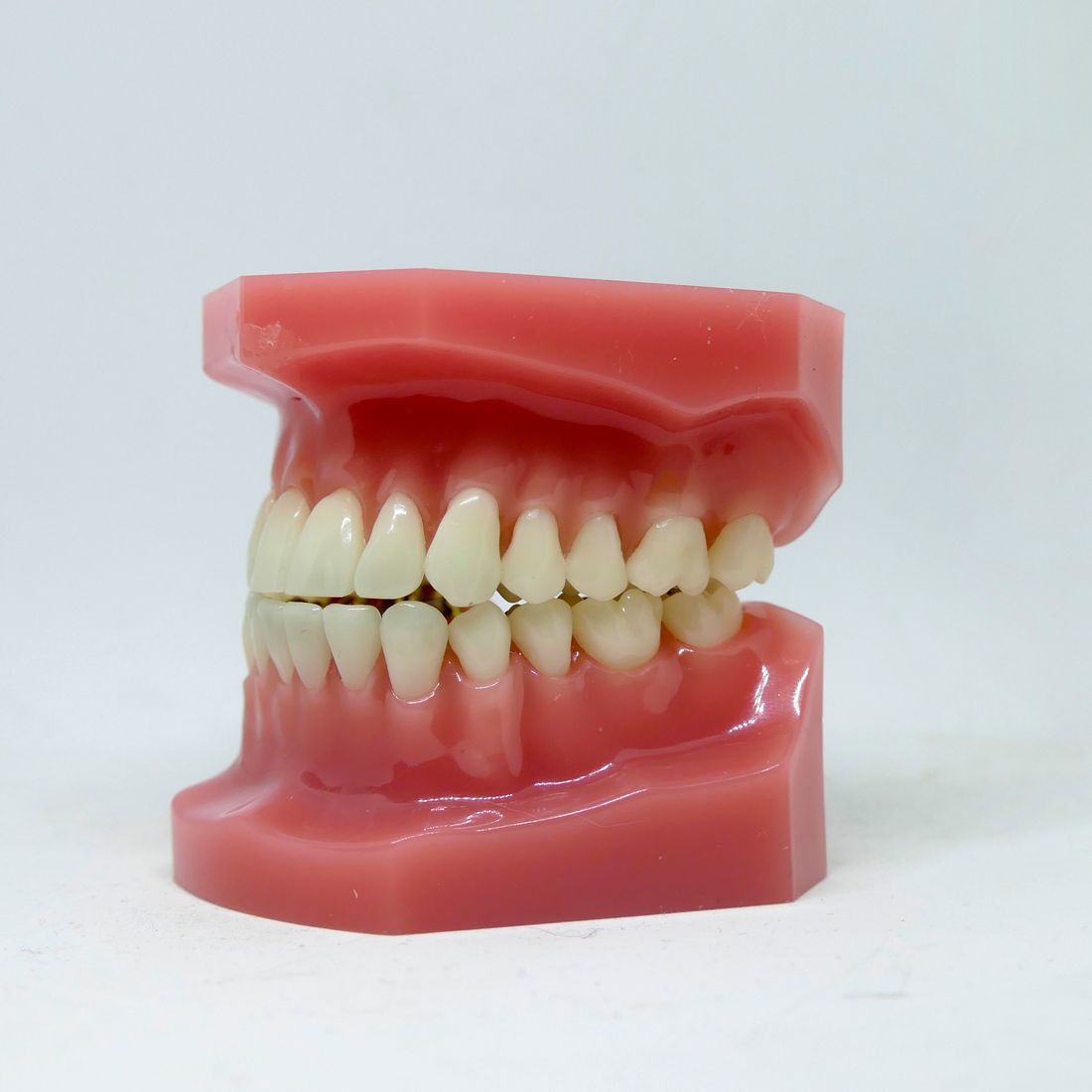
MARPE stands for miniscrew-assisted rapid palatal expansion. It may also be called microimplant-assisted rapid palatal expansion and alternate variations can include MSE, MASPE, DOME. A MARPE appliance uses small temporary anchorage devices, commonly called miniscrews or TADs, to transfer expansion forces more directly to the upper jaw and encourage skeletal expansion.
Traditionally, non-surgical expansion of the upper jaw was most predictable in children because their palatal suture had not yet matured. As the facial bones mature, opening this suture generally requires greater force and may take longer.
With the development of mini-implant-supported expanders, skeletal expansion may now be possible without jaw surgery for appropriately selected adolescents and adults. Rather than relying primarily on the teeth for anchorage, MARPE transfers more of the expansion force directly to the upper jawbone. This aims to produce a greater skeletal effect than dental arch expansion alone.
MARPE is different from:
Each treatment addresses a different anatomical problem that is important to identify before any dental options are recommended.
Generally, the price of expanders in Sydney varies depending on the dental practice, provider expertise, severity of issues and treatment timeline. Speak to us at Ortho Co. for more personalised insight into how much MARPE might cost for you.
Medicare and private health insurance for MARPE
MARPE isn't covered by Medicare for adults, though rebates may be available in specific circumstances, such as for cleft patients or when bundled into hospital treatment with a maxillofacial surgeon placing the TADs. Depending on your provider and plan, some private health insurers offer rebates for orthodontic treatment in adults. Reach out to your provider or check your plan's specific entitlements for more clarity on whether you're covered for MARPE treatment.
MARPE may be considered when an orthodontist identifies a clinically meaningful skeletal transverse maxillary deficiency that may not be able to be camouflaged. Possible findings include:
Age alone does not determine whether someone is suitable for MARPE. The diagnosis, skeletal maturity, palatal anatomy, periodontal health, dental inclination and amount of expansion required must all be considered.
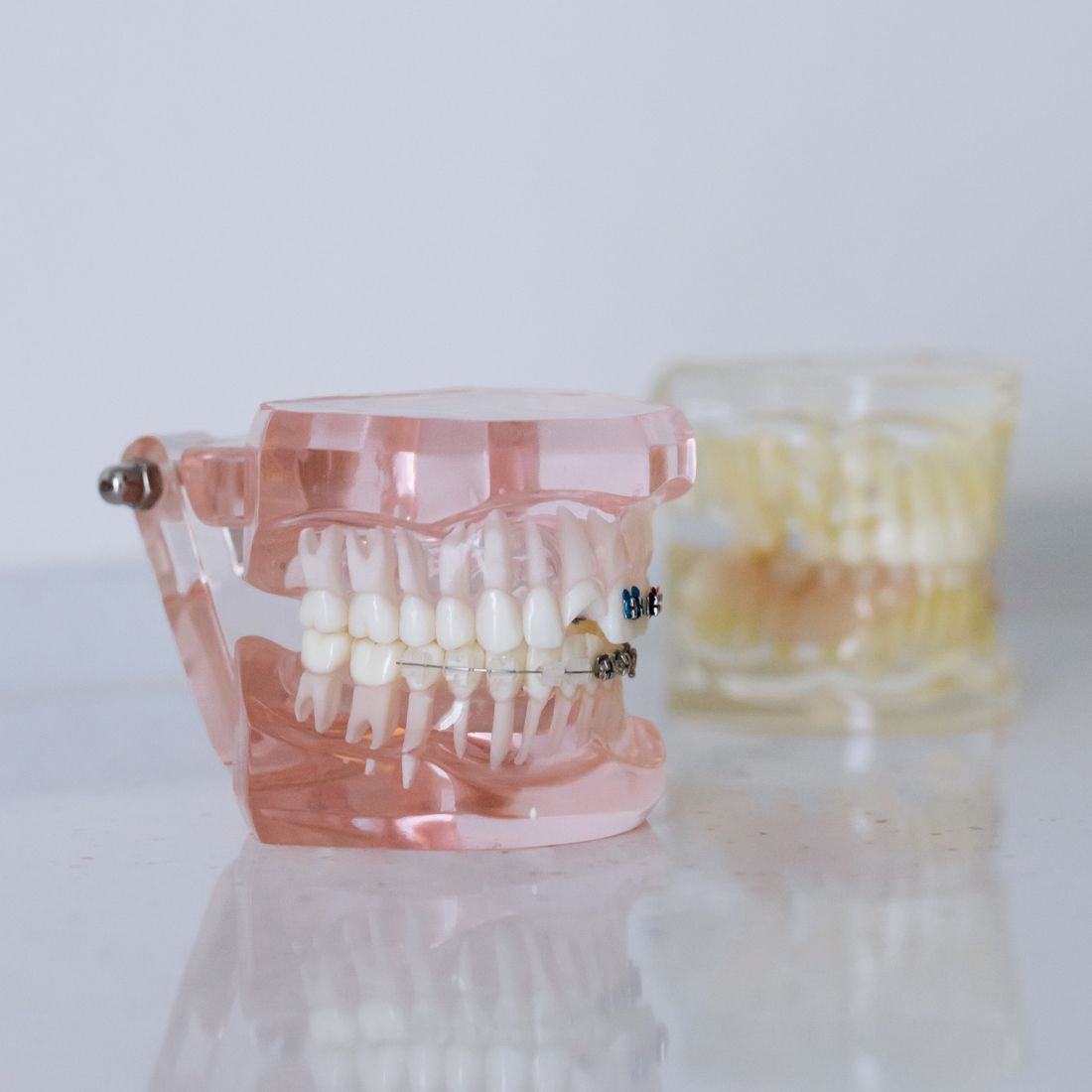
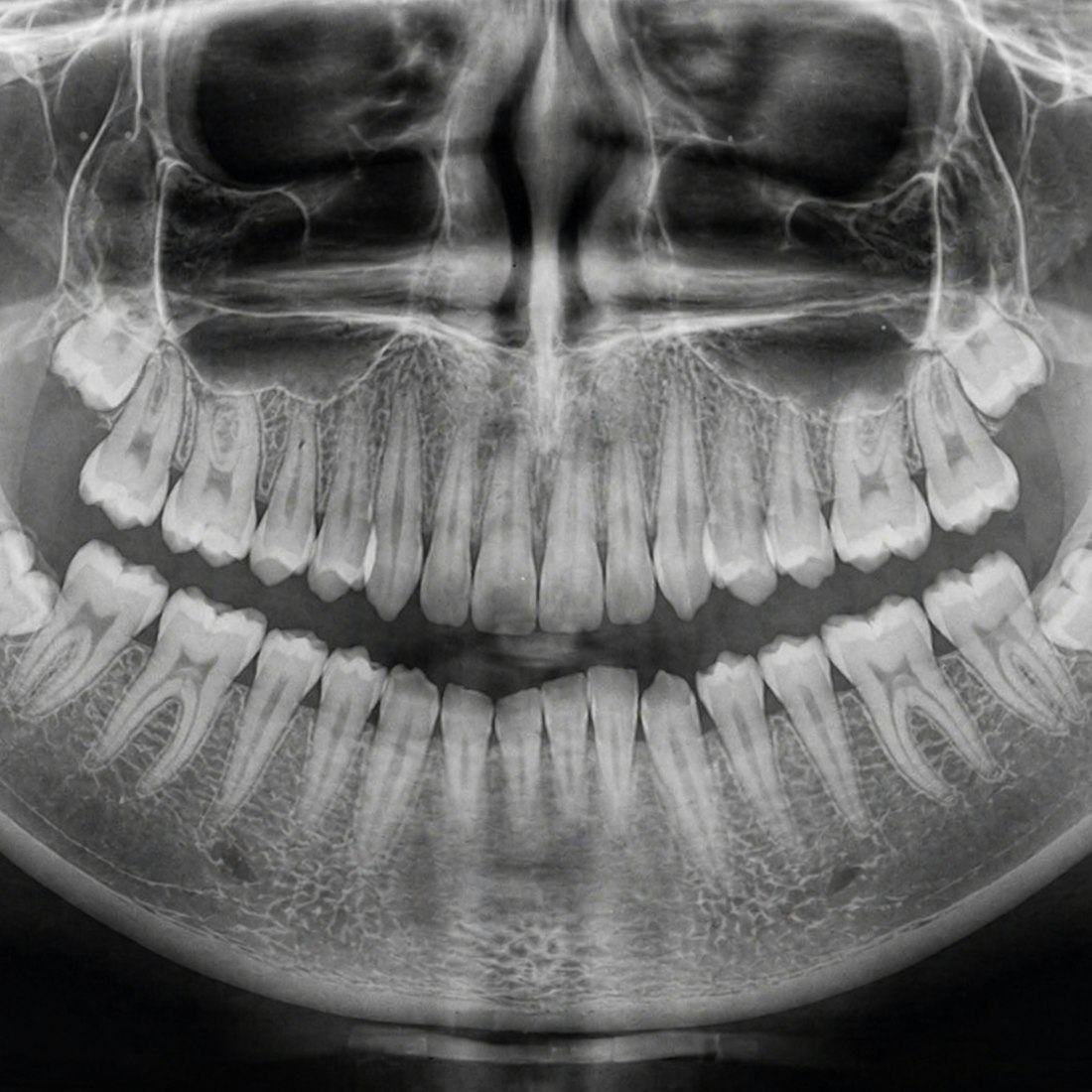
To determine eligibility, our orthodontists at Ortho Co. will perform a comprehensive transverse assessment. This process may include:
It is also important to assess the bite with the lower jaw in a specific position. Some patients habitually posture their lower jaw forward or sideways, which can disguise the underlying jaw relationship.
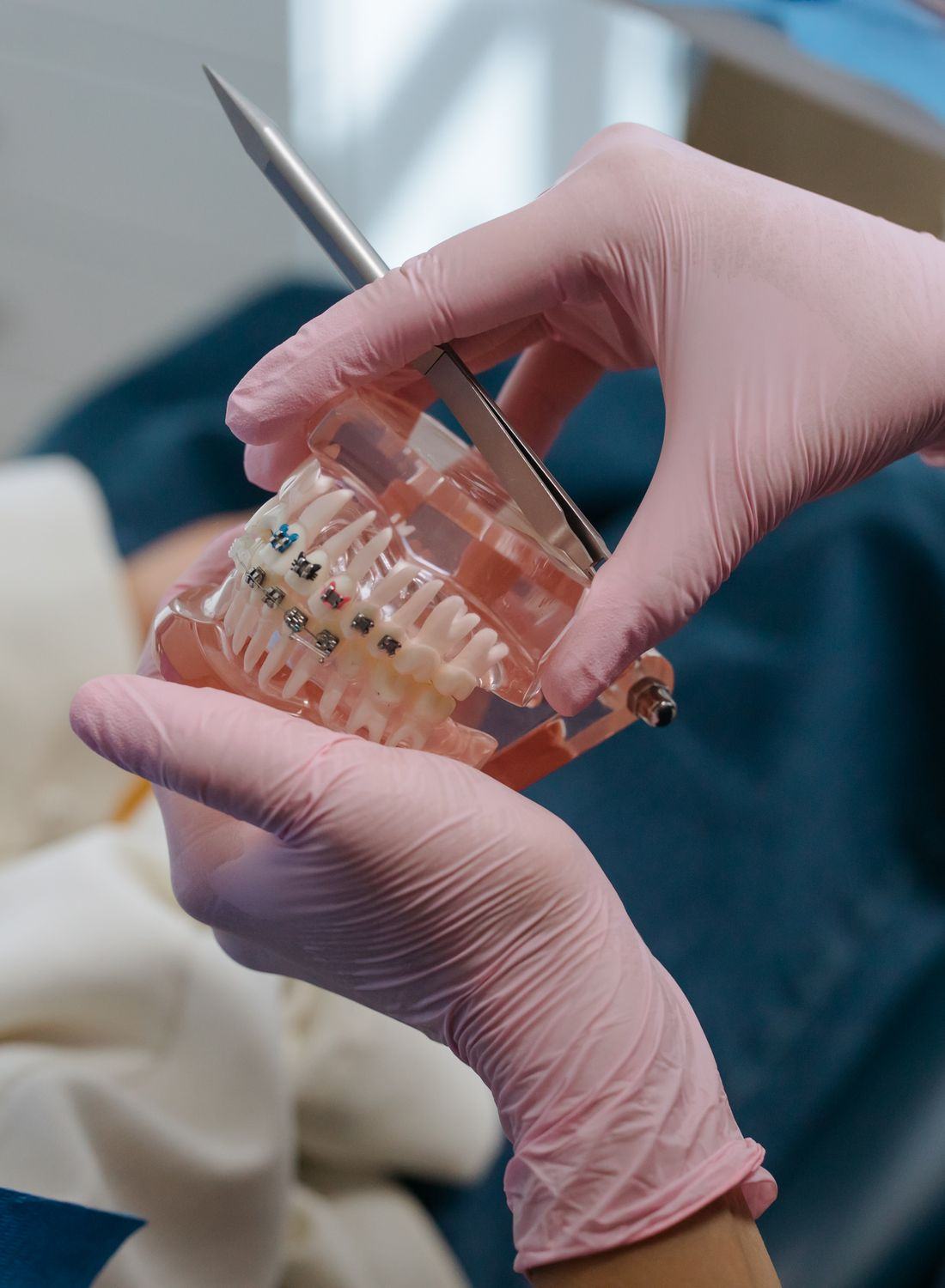
One common misunderstanding is that a tapered or narrow-looking dental arch automatically indicates an underdeveloped upper jaw.
Patients may have a tapered arch form, upright posterior teeth, dental crowding, narrow buccal corridors or a narrow-looking smile without having a clinically significant skeletal transverse deficiency.
In these cases, controlled dentoalveolar arch development with braces or clear aligners may be more appropriate than attempting to open the midpalatal suture.
No. A CBCT should not be taken simply because someone is interested in MARPE or would like their airway measured.
At Ortho Co., radiographic examinations are selected according to the individual. We follow the principle of keeping radiation exposure as low as reasonably achievable. If the examination does not suggest a skeletal transverse deficiency and the result would not change the treatment recommendation, additional three-dimensional imaging may not be warranted.
For MARPE treatment, there is no fixed age cutoff. Candidacy may be determined by CBCT-confirmed suture maturation stage, not chronological age alone. For example, a 35-year-old with a less-fused suture can be a better candidate than a 22-year-old with a more mature one.
There are no nationally standardised wait times for MARPE treatment in Australia. Waiting times vary between orthodontic practices depending on appointment availability, treatment demand and whether coordination with other specialists is required. Speak to us at Ortho Co. for more specific wait time expectations.
At Ortho Co., we take a collaborative, specialist-led approach to MARPE treatment. Our specialist orthodontists plan and manage the orthodontic treatment and place the MARPE appliance. The TADs are anchored in collaboration with an oral and maxillofacial surgeon, who is trained in both medicine and dentistry.
TAD placement is generally performed chairside under local anaesthetic and typically takes around 20–30 minutes, although this can vary depending on the patient and the procedure required. For patients who feel anxious about the procedure, sedation can be discussed with the oral and maxillofacial surgeon and may be provided where clinically appropriate.
Most patients experience some tenderness or discomfort after the procedure. This is usually greatest during the first few days and can often be managed with appropriate over-the-counter pain relief, where suitable for the patient.
During activation of the MARPE appliance, it is also common to experience a feeling of pressure across the upper jaw, palate, teeth or surrounding facial structures. This pressure may be noticeable during the active expansion phase as the appliance gradually adds force to widen the upper jaw. Some patients may hear or feel a brief “crack” or “pop” as the mid-palatal suture begins to separate. This can be a normal part of the expansion process.
Many patients also develop a temporary gap (diastema) between the upper front teeth as expansion occurs. This is an expected sign of skeletal expansion and the space can subsequently be managed as part of orthodontic treatment. A no-diastema MARPE approach can also be considered for some patients.
Because MARPE treatment is planned individually, the procedure, expected recovery and activation protocol can differ between patients. Your orthodontist and surgical team will explain what to expect based on your individual treatment plan.
Although MARPE can be appropriate for selected patients, it is not a minor or risk-free procedure.
Potential considerations include:
The likelihood and significance of these considerations vary between patients. Your orthodontist will discuss the expected benefits, limitations, alternatives and material risks relevant to your treatment.
The most appropriate alternative depends on the diagnosis.

If you have been researching MARPE, MSE or adult palatal expansion, you are welcome to arrange an orthodontic assessment at Ortho Co. in Parramatta or Canterbury.
Please send us any recent radiographs, details of previous orthodontic treatment and relevant sleep study or ENT reports. It is also helpful to identify your three most important treatment goals and MARPE questions before the appointment.
During your consultation, we will assess the underlying diagnosis rather than assume that a particular appliance is required.
If MARPE is clinically appropriate, we will explain the recommended investigations, expected outcomes, limitations, risks and alternatives. If it is not indicated, we will explain why and discuss treatments that more appropriately address your bite, dental arches and treatment goals.
MARPE may increase dimensions within parts of the maxilla and nasal cavity in appropriately selected patients. Some patients report changes in nasal airflow, resistance or airway measurements after maxillary expansion.
However, anatomical changes on a CBCT do not necessarily correspond to a meaningful improvement in sleep quality or obstructive sleep apnoea. The available research is variable, and individual outcomes cannot be guaranteed.
MARPE should not be presented as a universal treatment for snoring, mouth breathing, obstructive sleep apnoea, tongue-posture concerns or unexplained fatigue.
Obstructive sleep apnoea is a medical sleep disorder. It cannot be diagnosed or excluded using an orthodontic scan or airway measurement alone. If your symptoms suggest possible sleep-disordered breathing, we may recommend assessment by a sleep physician and an appropriate sleep study.
Orthodontic treatment may form one part of multidisciplinary care, but it is not a substitute for a medical sleep assessment.
Online discussions sometimes suggest that MARPE can reliably widen the cheekbones, improve under-eye support, enhance the jawline or substantially transform the face.
MARPE is primarily used to correct a diagnosed transverse maxillary deficiency. Some patients may notice changes in their smile or surrounding soft tissues, but the nature and extent of these changes vary and cannot be predicted or guaranteed.
MARPE also does not correct a retrusive lower jaw. When a skeletal Class II relationship is caused mainly by mandibular retrusion, ideal skeletal correction may involve mandibular advancement surgery. Orthodontic camouflage may be a reasonable alternative in milder cases.
Widening the upper jaw does not directly advance the lower jaw and may not address the patient’s main facial or bite concern. In some cases, it may magnify the retrusive lower jaw.
The entire MARPE process takes about 6 to 12 months, split across three distinct stages: installation, active expansion and bone healing/retention. Total combined orthodontic treatment (including any follow-up braces) often takes 18 to 24 months. This timeline depends on the severity of the dental concerns being addressed, and whether additional treatment is required after MARPE removal.
MARPE appliances often include arms or attachments to the upper molars, particularly when combined with treatments such as maxillary protraction. However, these arms aren’t always necessary. In selected cases, such as when MARPE is combined with clear aligners, a design without molar arms may be used so the aligners can move the teeth independently while the MARPE focuses on expanding the upper jaw.
This depends on the dental issue being addressed by your orthodontist, as they serve entirely different structural roles. MARPE is better suited to severe skeletal crossbites, major dental crowding and restricted nasal airways. That said, MARPE and braces are often used together as a dual treatment option for some patients. MARPE targets the internal bone structure of the jaw, laying a stable foundation for the more intricate shifting that braces can then carry out.